

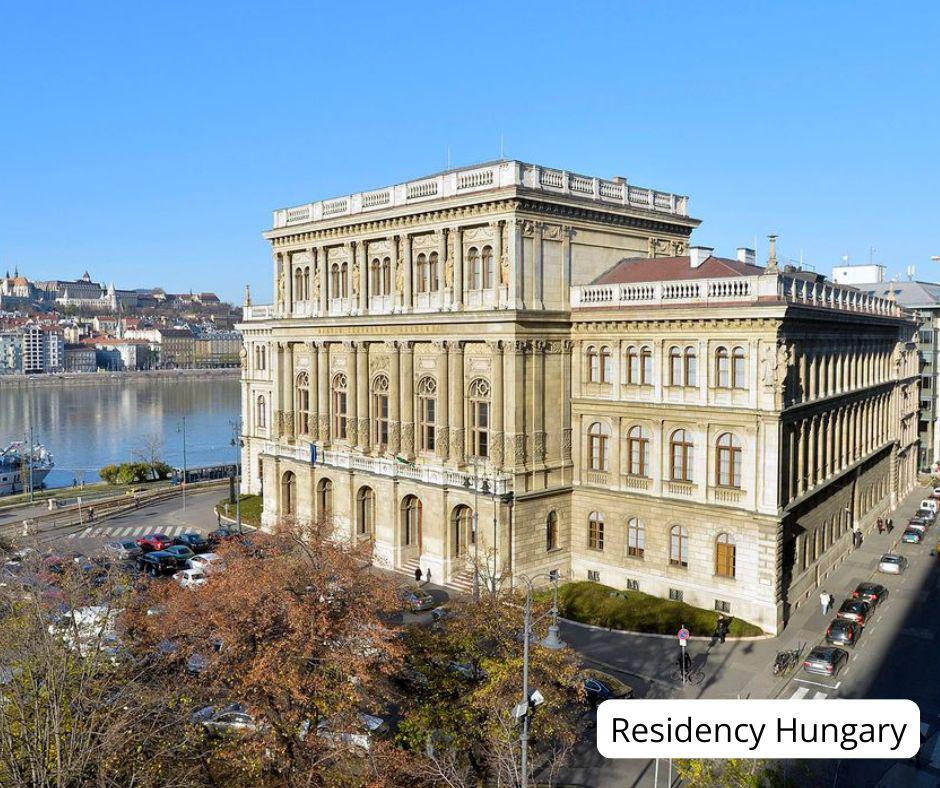
The Hungarian Academy of Sciences (MTA) is not only an iconic building in Budapest but also the center of Hungarian scientific life. It is situated near the Pest end of the Chain Bridge at Széchenyi Square, this building has been a hub of science since the 19th century. Additionally, the Hungarian Academy of Sciences has been a UNESCO World Heritage Site since 1987, recognized as an essential element of the landscape along the banks of the River Danube.
The impressive building was completed in 1865 under the direction of Hungarian architect Miklós Ybl, who also designed the Opera House and the palace of Buda Castle. The masterful design was crafted by Friedrich August Stüler, one of the most renowned architects of his time, who drew inspiration from the Renaissance architecture of Venice, evident in its façade and ornate interiors.
Over the past two centuries, many of Hungary's greatest scientists have worked within its walls. The institution was founded by István Széchenyi, who is often referred to as "the Greatest Hungarian." The country owes him much, including the idea for the Chain Bridge.
The impressive building was completed in 1865 under the direction of Hungarian architect Miklós Ybl, who also designed the Opera House and the palace of Buda Castle. The masterful design was crafted by Friedrich August Stüler, one of the most renowned architects of his time, who drew inspiration from the Renaissance architecture of Venice, evident in its façade and ornate interiors.
Over the past two centuries, many of Hungary's greatest scientists have worked within its walls. The institution was founded by István Széchenyi, who is often referred to as "the Greatest Hungarian." The country owes him much, including the idea for the Chain Bridge.
The Hungarian scientific community is recognized internationally for its contributions. In recent decades, Hungarian researchers have made many groundbreaking discoveries and inventions. At present, there are nearly 300 full members of the Academy. However, when considering correspondents, external and honorary members, as well as its doctors, almost 10,000 distinguished citizens are connected to this hub of Hungarian scientific life.
Today, the Hungarian Academy of Sciences continues its mission to promote Hungarian science and disseminate research findings. The MTA sets professional guidelines on scientific issues and supports the work of the research community at both national and international levels. Additionally, it houses the largest scientific library in the country, with over 2 million items in its collection.
The academy opens its doors to the public on several occasions throughout the year, offering public lectures, concerts, and exhibitions. Guided tours of the building are also organized periodically, so it's a good idea to check the academy’s calendar of events.
If you are walking along the Danube, be sure to stop by the Hungarian Academy of Sciences and soak in the spirit and historic atmosphere of this remarkable place.
Address: H-1051 Budapest, Széchenyi István tér 9.
Today, the Hungarian Academy of Sciences continues its mission to promote Hungarian science and disseminate research findings. The MTA sets professional guidelines on scientific issues and supports the work of the research community at both national and international levels. Additionally, it houses the largest scientific library in the country, with over 2 million items in its collection.
The academy opens its doors to the public on several occasions throughout the year, offering public lectures, concerts, and exhibitions. Guided tours of the building are also organized periodically, so it's a good idea to check the academy’s calendar of events.
If you are walking along the Danube, be sure to stop by the Hungarian Academy of Sciences and soak in the spirit and historic atmosphere of this remarkable place.
Address: H-1051 Budapest, Széchenyi István tér 9.